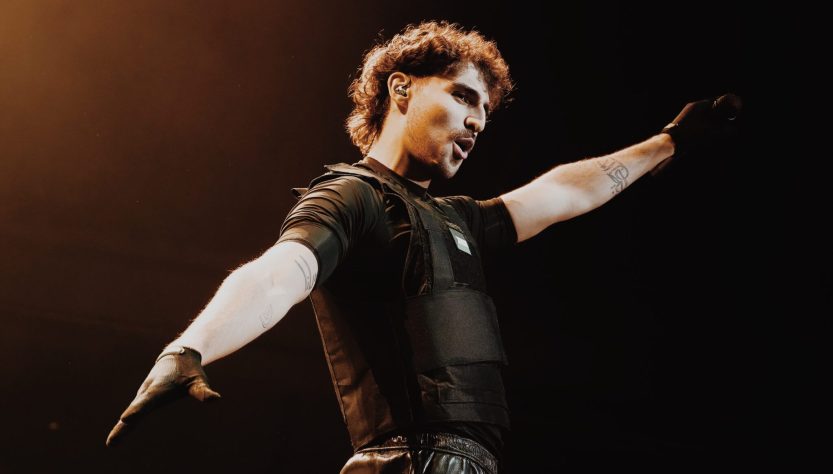
The global pop music industry is experiencing a powerful shift. Artists from diverse cultural backgrounds are no longer confined to local audiences but are claiming space on the international stage. Among these rising voices, Saint Levant has emerged as one of the most impactful figures. With his multilingual lyrics, genre-blending sound, and unapologetic embrace of his heritage, Saint Levant is redefining how Middle Eastern identity is represented in global pop.
Challenging Stereotypes in Music
For decades, the Middle East has often been misunderstood or underrepresented in Western popular culture. Music from the region was either exoticized or overlooked, leaving little room for authentic voices to flourish internationally. Saint Levant disrupts this pattern. Instead of fitting into a pre-defined category, he presents his cultural background as a strength, not a limitation.
By weaving Arabic, French, and English into his songs, he tells stories that feel real and relatable. This approach dismantles stereotypes and highlights the beauty of cultural hybridity. Rather than being boxed into one identity, Saint Levant demonstrates the fluidity and richness of Middle Eastern experiences.
Multilingual Artistry and Global Appeal
Language is one of the most powerful tools Saint Levant uses to broaden his reach. His seamless transitions between Arabic, French, and English reflect not only his personal history but also the reality of many diasporic communities. For global audiences, this multilingual style feels modern and inclusive, allowing his music to resonate across continents.
What makes this even more significant is how it positions Middle Eastern culture in the center of mainstream conversations. Instead of being a niche category, Saint Levant’s music competes directly within the global pop landscape, attracting fans from Los Angeles to London to Beirut.
A Fresh Sound in Global Pop
Saint Levant’s sound is difficult to categorize, which is exactly why it works. By blending hip-hop, R&B, pop, and traditional Middle Eastern melodies, he creates a sonic identity that is both innovative and authentic. This musical fusion mirrors the reality of global youth culture: borderless, diverse, and constantly evolving.
His songs provide an alternative to mainstream pop formulas, offering listeners a chance to experience a fresh narrative that values both tradition and modernity. Through this, he not only represents Middle Eastern identity but also pushes the boundaries of what global pop can sound like.
Representation Beyond Music
Saint Levant’s influence extends beyond his tracks. As a Palestinian-French-Algerian-Serbian artist, he embodies multiculturalism in both his image and message. For many fans navigating questions of identity, belonging, and representation, his presence on international stages is groundbreaking.
In interviews and public appearances, he speaks openly about issues of heritage, displacement, and pride. This authenticity builds a stronger connection with fans, who see him not just as a musician but also as a voice of representation for communities often left on the sidelines.
Conclusion
Saint Levant is more than a rising pop star—he is a cultural force. By redefining how Middle Eastern identity is portrayed in music, he is breaking barriers and inspiring a new generation of listeners worldwide. His ability to blend languages, genres, and traditions has created a unique space in global pop, proving that authenticity is the ultimate key to connection.
As more artists follow in his footsteps, it’s clear that the future of pop music will be shaped by diversity and cultural pride. For readers seeking more stories about international artists shaping the industry, platforms like Yeema News offer deeper insights into their journeys.