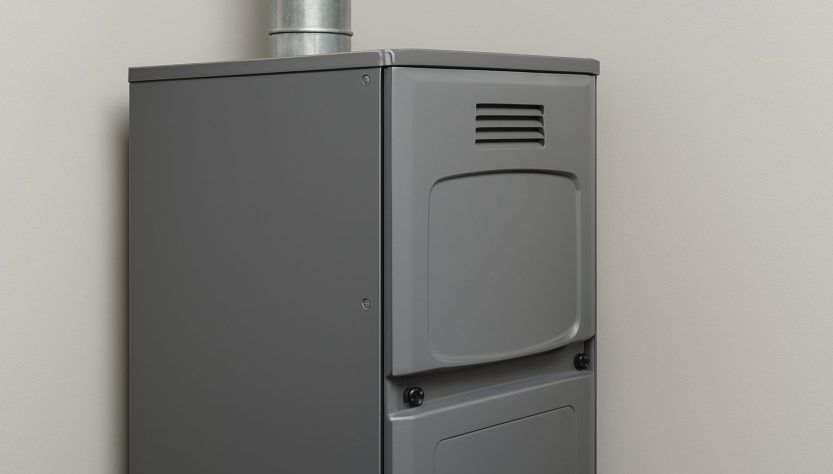
Cold weather has a way of exposing every weak point in a heating system that’s been sitting idle for months. A heating system tune up gives homeowners a chance to catch those weak points before the first truly cold night forces the issue. Below, we answer the most common questions homeowners ask about getting their furnace, heat pump, or wall heater ready for the season.
Why Does Heating Equipment Act Up When the Weather Turns Cold?
Heating equipment in mild climates often sits unused for half the year or more. During that downtime, small issues like a weakened ignitor, a dusty blower motor, or a hairline crack in a heat exchanger can develop quietly without anyone noticing. The first time the system is asked to run a full cycle, those hidden problems tend to surface all at once. That’s why so many service calls cluster around the first genuinely cold stretch of the year.
Homes with older ductwork or attic insulation that has seen better days are especially prone to this pattern. When a furnace has to fight against heat loss from the attic, it works harder than it should, and homeowners notice both in comfort and on their utility bill. Getting ahead of the season with professional service helps avoid that scramble.
What Does a Heating Tune Up Actually Involve?
The specifics depend on the type of system installed, since a gas furnace and a heat pump operate on entirely different principles.
For gas furnaces, a tune-up typically includes inspecting the heat exchanger for cracks, running a combustion analysis, testing for carbon monoxide, and checking the flue and venting. Technicians also clean the burners, test the flame sensor and ignition system, lubricate the blower, inspect electrical connections, and service the filter. Thermostat calibration and airflow verification round out the visit.
For heat pumps operating in heating mode, there’s no combustion involved, so the priorities shift. Technicians inspect electrical components under load, verify refrigerant charge, and test the defrost cycle. Coil inspection and cleaning follow, along with a check against the system’s rated efficiency specifications. For dual-fuel setups, confirming that the changeover point between heat pump and furnace is set correctly for the season is also part of the visit.
For wall-mounted and floor furnaces, common in some older properties, service includes combustion and carbon monoxide testing for gas-fired units, a venting inspection, and a clearance check to confirm nothing combustible has crept too close to the unit over time.
A thorough visit should also include a look at the thermostat schedule against time-of-use utility rates, since even a correctly working thermostat can cost more if it isn’t aligned with peak pricing periods. Filter condition is worth a second look as well, particularly in homes that have experienced smoke exposure during fire season.
How Do I Know If My System Needs Attention Before Winter?
A handful of warning signs suggest it’s time to call a professional rather than wait:
A burning dust smell that lingers beyond the first few minutes of the season’s first run
A yellow or flickering flame on a gas furnace instead of a steady blue
Short-cycling, where the system turns on and off repeatedly instead of completing a full cycle
Rising utility bills with no obvious explanation
Banging, screeching, or humming sounds with no response from the blower
A heat pump that runs constantly without reaching the set temperature
More than a year since the system was last professionally serviced
Any persistent burning smell, gas odor, or a sounding carbon monoxide alarm is a safety matter, not a maintenance one. Shut the system down immediately and call a licensed technician.
Is a Tune-Up the Same as a Repair?
Not quite. A tune-up is designed for equipment that’s still running and functional. It’s a preventative check, not a fix for an active failure. If a system has already stopped working or shows an obvious fault, that calls for repair service instead of routine maintenance.
It’s also worth considering replacement if a system has needed several repairs in recent years, if parts have become difficult to source, or if the equipment never quite kept the home comfortable even when it was working properly. In those cases, continuing to schedule tune-ups on aging equipment may not be the most practical path forward.
What Should I Expect During the Appointment?
A properly conducted visit should end with a written report, not just a verbal rundown. That report should clearly state the system’s condition, flag anything that needs attention, and give an honest assessment, including whether a repair or eventual replacement might be the better long-term choice.
Before the technician arrives, homeowners can help the visit go smoothly by clearing access to the furnace or outdoor heat pump unit, noting any unusual sounds or smells they’ve noticed, and having the system’s maintenance history on hand if available. It’s also reasonable to ask upfront whether carbon monoxide testing is included as standard practice or billed separately, and whether a written report will be provided. A provider who can’t answer those questions clearly is worth reconsidering.
Does a Tune-Up Qualify for Rebates or Reduce My Bill by a Set Amount?
Routine maintenance generally does not qualify for utility rebate programs, since most incentives are tied to new equipment installations rather than servicing existing systems. A tune-up also won’t come with a guaranteed percentage of savings attached, since the actual impact on a utility bill depends on the system’s age, how often it’s used, and the home’s rate structure. What a tune-up reliably delivers is a safety check, an honest read on equipment condition, and early notice of developing problems.
Why Does Choosing a Licensed Provider Matter?
Heating equipment involves combustion, electrical components, and in many cases gas lines, so the stakes for improper service are genuinely high. A licensed, bonded, and insured contractor brings accountability that an unlicensed handyman simply can’t offer. Look for technicians with relevant certifications, a documented license number that can be verified, and a track record of customer reviews that reflects consistent, trustworthy work.
Homeowners considering ongoing maintenance might also look into membership programs that bundle seasonal tune-ups together, since scheduling both a pre-cooling and pre-heating season visit each year tends to catch more issues than a single annual check.
Ready for Cold Weather?
A heating system that sat quietly all summer deserves a proper check before it’s asked to run through the coldest nights of the year. Scheduling that visit early, rather than waiting for a mid-winter breakdown, is the simplest way to head into the season with confidence.
The Short Version
- Cold weather exposes weaknesses in heating systems that have been idle, leading to increased service calls during the first cold stretches of the year.
- A heating system tune-up includes a thorough inspection, cleaning and testing of various components such as the heat exchanger, burners, and electrical connections, tailored to the type of heating system.
- Homeowners should be aware of warning signs that indicate a need for professional attention, such as unusual smells, flame colors, short-cycling, and rising utility bills.
- A tune-up is a preventative service for functioning systems, not a repair for systems that have already failed, which requires a different response.
- Routine maintenance tune-ups typically do not qualify for utility rebates or guaranteed savings, as most incentives are tied to new equipment installations.
- Choosing a licensed provider for heating system services is crucial due to the safety risks associated with combustion and electrical components.