

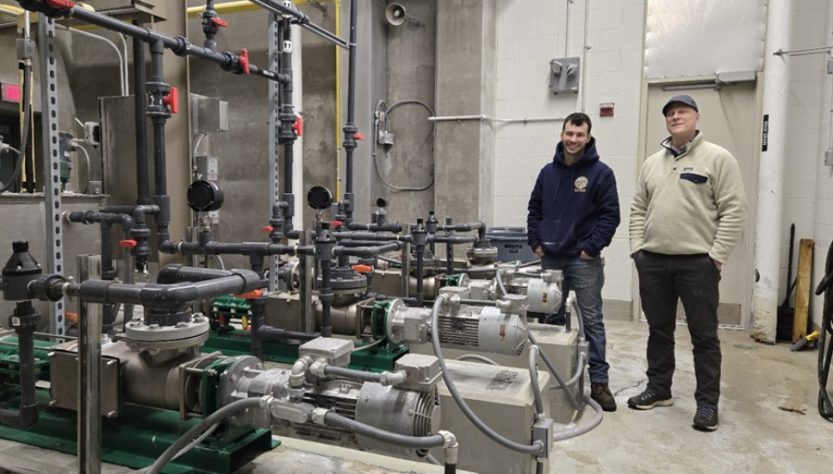
Pumps nowadays are anything but the bulky and power sucking machines that they used to be in the past. They have never been smarter, quieter, and more efficient than modern innovations are making them. We will take a look at some of the breakthroughs that are defining pump technology today.
Smart efficiency using advanced motors
One of the largest expenditures in the operation of pumps is energy use. That is why energy-efficient motors have become the game-changer. These motors minimize operating expenses by reducing power usage without compromising performance. This reduces the carbon footprint for modern facilities.
It could be variable frequency drives that can provide the demanded speed or high efficiency motors that limit wastage. But the point is the same: nowadays, pumps are working harder and using less.
Remote monitoring and control
Gone are those days when you had to walk in to know whether a pump was doing well. Remote monitoring allows you to monitor flow rates, pressure, and motor temperature in any location on a dashboard or mobile app. In case of something wrong, alerts are sent in real time.
Remote control even allows operators to fine-tune performance without going on-site. This technology reduces downtimes and enhances safety. It minimizes the need for manual checks in harsh or dangerous conditions.
Silent operation
Sometimes, industrial environments are accompanied by loud and grinding equipment. Newer pump designs from Pumpbiz defy that notion. Noise reduction has become one of the design priorities through:
- Better bearings
- Vibration-damping housings
- Smart hydraulics.
Besides comfort, lower noise pumps provide safer work environments where conversations occur with less strain. In addition, hearing protection does not need to be a necessity.
Digital twin technology
Digital twin technology is one of the most futuristic technologies in the pumping systems. It is a replica of a pump that operates simultaneously with the actual machine. It applies live data to:
- Predict failures
- Optimize efficiency
- Simulates performance.
This provides a potent tool to enable the engineers to test scenarios without disrupting operations. It also minimizes trial-and-error in the real world. The outcome is a decreased number of breakdowns and more informed long-term planning.
Self-priming pumps
Every person who has worked with pumps is aware that priming can be annoying. This is the act of eliminating air from the pump and suction line. Self-priming pumps do away with this inconvenience by automatically clearing air bubbles.
These pumps are useful in those industries where pumps are often stopped and restarted. For example, wastewater treatment or irrigation. They save time, lessen labor, and streamline the processes.
Stronger but lighter materials
The field of materials science is also contributing to the innovation of pumps. Modern-day pumps tend to be constructed using highly developed alloys, ceramics, and composites. These materials are not vulnerable to corrosion, abrasion, or temperatures. They prolong the life of pumps and also minimize maintenance. Meanwhile, a lighter design is more energy efficient and will be easier to install.
Final thoughts
The simple pump is turning into a technologically advanced powerhouse. Thanks to a combination of engineering, creativity, and smart design. Collectively, these innovations are making pumps a strategic resource in contemporary industries.